 X
X
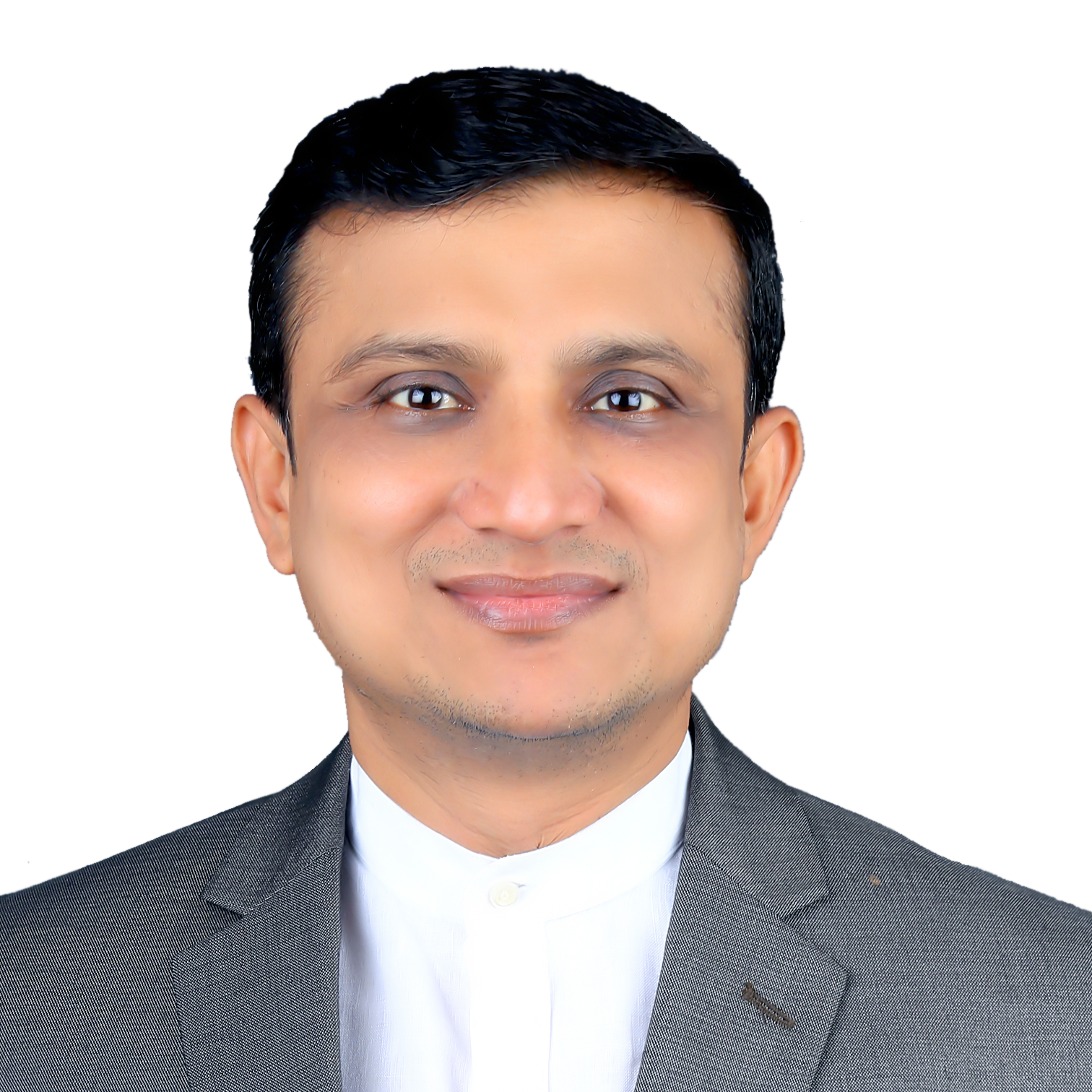
DR SAHEBGOWDA SHETTY
Plastic and Cosmetic Surgeon
Introduction
With an MBBS from the Karnataka Institute of Medical Sciences, he went one to pursuit Post-graduate (MS) training from Mysore Medical College. Later, he received endoscopic training and worked as an Assistant Professor in Surgery following which he joined a course (MCh) in Plastic Surgery in Mumbai.At present, Dr. Shetty is working as a Consultant Plastic Surgeon at Fortis Hospital and Sagar Hospital.
Services/Interest
- Rhinoplasty
- Liposuction
- Hair transplant
- Dermatology
- Body contouring
- Multiple lipoma removal
- Body-reshaping
- Mole removal
- Birthmark removal
- Sebaceous cyst removal
- Skin whitening
- facial augmentation
- Breast augmentation
- breast reduction
- breast lift
- thigh spacing
- arm reduction
- tattoo removal
- fat grafting
- pimple scar treatment
- scar revision
- acne scar treatment
- dark circle treatment
- Melasma treatment
- Ear correction
- fillers and botox
- anti aging treatment
- buttocks reduction
- hairfall treatment
- burn treatment
Experience
20+ years experience
Professional Memberships
Association of Plastic Surgeons of India Association of Hair restoration surgeons International society of Aesthetic and Plastic surgery Indian Association of Aesthetic Plastic Surgeons
Awards and Recognitions
India's most valuable face in plastic & Cosmetic Surgery 2017 No. 1 Cosmetic Surgery Centre in Banglore for 2017 (Times of india) No. 1 Cosmetic Surgery Centre in Banglore for 2016 (Times of india) No. 1 Cosmetic Surgery Centre in Banglore for 2015 (Times of india) TIMECYBER MEDIA AWARDS -Top leading Cosmetic surgeon of South india-2017 Global Right Choice Awards - Best Cosmetic Centre Banglore 2016 Right Choice Awards - Best Cosmetic Centre Banglore 2016 Quality Awards- Best Cosmetic Centre Banglore 2015 Atharv Awards - Best Cosmetic Centre, Banglore - 2015 AIESAC Awards - Best Cosmetic Centre - 2014 Brand Academy - Best Cosmetic Centre Banglore - 2014 Naadaprabhu Kempegowda Award in 2018 by Karnataka government
Education
MBBS from the Karnataka Institute of Medical Sciences Post-graduate (MS) training from Mysore Medical College MCh Course in Plastic Surgery in Mumbai
I Speak
English, Hindi, Kannada.
Feedback For Dr Sahebgowda Shetty
Write FeedbackWho is a plastic surgeon?
Plastic surgery is a surgery performed to restore, reconstruct, or alter the human body. Plastic Surgery in its core is a reconstructive surgery dealing with the restoration of normal function and form and is a diverse specialty involving adults and children. It encompasses a wide range of conditions in different parts of the body. Plastic surgeons are the physicians who shape and mold regions of the body like the face, abdomen, hands and other limbs.
What does a plastic surgeon do?
Plastic surgeons perform surgeries that alter the shape or appearance of part of a body. They perform reconstructive surgeries which include craniofacial surgery, microsurgery, and the treatment of burns and are trained in patient interactions, trauma care, and basic surgery techniques. They are also specialized areas such as tissue transfer, body contouring, and laser surgery. They also repair congenital problems, such as cleft lips or a malformed bone structure in hands or feet.
What surgeries are performed by a plastic surgeon?
Plastic surgeon performs two types of surgeries: Cosmetic surgeries and aesthetic surgeries. Cosmetic surgery alters normal body parts for aesthetic reasons, while reconstructive surgery repairs or replaces body parts disfigured by accidents, illness or malformation. The most common surgeries are:
- body contouring
- Breast Reconstruction
- Burn Repair Surgery
- Congenital Defect Repair: Cleft Palate
- Facial Balancing and Enhancing
- Facial Implants
- hand and leg surgery
- Hand Surgery
- laser surgery
- Lower Extremity Reconstruction
- Lower Rhytidectomy
- microsurgery
- Neck Lift
- Nose Surgery
- Rhinoplasty
- Rhytidectomy
- Scar Revision
- Surgery craniofacial surgery
Are plastic surgeons and cosmetic surgeons one and the same?
While both plastic surgery and cosmetic surgery focus on improving the patient’s body, they are quite different. The procedures and principles of cosmetic surgery are completely focused on enhancing the appearance and improving aesthetic appeal, symmetry, and proportion. Plastic surgery is a surgical specialty devoted to the reconstruction of facial and body defects that are caused due to birth disorders, burns, disease, and trauma. Plastic surgeons intend to fix dysfunctional areas of the body and while many of them choose to do additional training in cosmetic surgery, the foundation of their surgical practice remains reconstructive plastic surgery.
Who should visit a plastic surgeon?
Before deciding to visit a plastic surgeon, you should make sure that you are a healthy candidate. This means that you’ll need to be in good overall health before getting a breast augmentation, tummy tuck, or other plastic surgery procedure. A person with congenital defects or facial or body defects due to burns, diseases, and traumas should visit the plastic surgeon.
What happens in your first plastic surgeon appointment?
The plastic surgeon reviews the patient's medical history and asks what they would like changed. You should always to be direct with your plastic surgeon. Ethical plastic surgeons usually do not suggest procedures and try to know exactly what bothers their patients so that they can direct the consultation and specifically address the patient's concerns. They take pictures and review them and use them as a benchmark to see if the surgery was a success or a failure. They discuss the pros and cons of a cosmetic procedure and let their patients decide if they want to go with the surgery or not.